
From garage conversion to fully detached accessory dwelling unit. Design, Miami 21 Code compliance, NOA product approvals, permits, construction, and certificate of occupancy — all under one licensed GC contract, built to the state's toughest wind code.
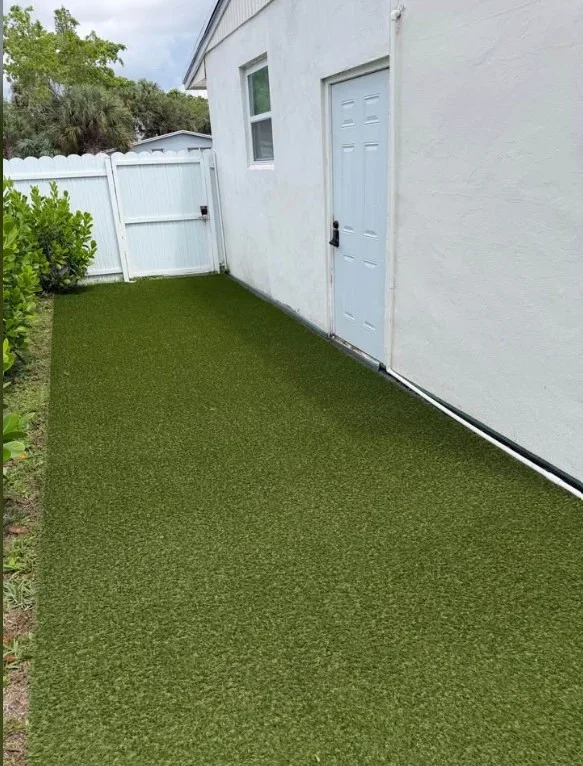
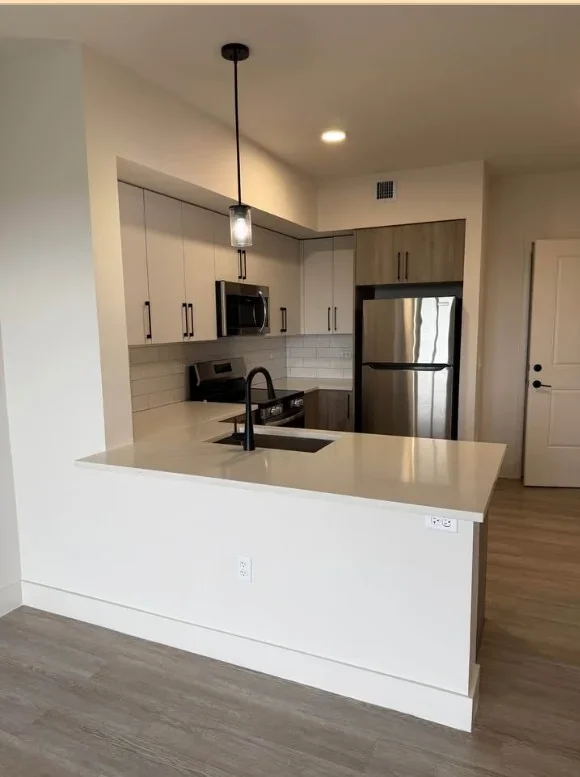
Representative example finishes for illustration — not a specific completed project.
Our ADU & Garage Conversion Work
How it works
ADUs involve zoning review, NOA-compliant drawings, structural engineering, multiple permit departments, and a final CO inspection. We manage the entire process under one contract — you don't project-manage it.
We review your lot's Miami 21 transect zone, setbacks, utility connections, and flood elevation before you spend a dollar on drawings.
Architectural drawings, HVHZ structural engineering, Miami 21 transect compliance, and Miami-Dade NOA product selection for every window, door, and roofing component. Permit fees included in written scope.
Foundation, framing, roofing, electrical, plumbing, insulation, drywall, flooring, kitchen or kitchenette, bathroom — all trades coordinated under our GC license.
Final inspections across all trades, CO issued by the correct jurisdiction. You receive a completed, legal dwelling unit with a certificate of occupancy — ready to rent or move family in.
What we build in Miami
Garage conversions are the fastest and most cost-effective ADU option in Miami—most city lots are tight, and an existing garage footprint sidesteps Miami 21’s lot-coverage limits. Detached ADUs on larger lots in neighborhoods like Coconut Grove and The Roads offer more flexibility. We build both to HVHZ standard and Miami 21’s T3-L transect rules.
Convert your existing attached or detached garage into a legal, permitted living space. We handle the floor leveling, insulation upgrade, mini-split HVAC, electrical panel sub-feed, plumbing rough-in for a kitchenette and bathroom, and CO application. Most efficient ADU path on Miami's tight urban lots.
A standalone dwelling unit built on your lot — separate from the main house. New foundation, HVHZ-rated structural system, its own utility connections, kitchen, bathroom, and CO. Best option for maximizing rental income or creating a fully independent living space for family.
Already have a builder but need help getting through the City of Miami's Building Department and Miami 21 review? We provide architectural drawings, HVHZ engineering, NOA product documentation, permit submission, and project management through CO — without doing the construction ourselves.
Honest pricing
ADU costs in the City of Miami run higher than most of Florida because every exterior product must carry a Miami-Dade NOA or HVHZ-rated Florida Product Approval, and land/labor costs in the city are among the state's highest. These ranges include design, Miami 21 compliance, permits, and CO — not just construction. We quote the total project cost in writing before you commit.
Convert an attached or detached garage into a legal ADU. Fastest path to a CO'd unit in Miami — sidesteps Miami 21's lot-coverage limits since the footprint already exists.
New detached ADU, 400–800 sq ft. New foundation, HVHZ-rated CBS construction, full mechanical systems, kitchenette or full kitchen, bathroom, and independent utility connections, NOA-approved windows and roofing.
800–1,200+ sq ft detached ADU with full kitchen, 1–2 bedrooms, 1–2 bathrooms, laundry hookup, and high-spec finishes. Designed for long-term rental income or a permanent family suite.
City of Miami · What property owners need to know
Miami runs its own zoning code, separate from the rest of Miami-Dade County, on top of the state's strictest wind code. A handyman or unlicensed contractor cannot legally manage either.
The City of Miami doesn't use the county's AU/EU/RU zoning designations — it runs Miami 21, a form-based transect code. ADUs (called Ancillary Dwelling Units under Section 3.18) are permitted in T3-L Sub-Urban zones, capped at 1,200 sq ft or 50% of the primary home's size, with one required parking space. They don't count toward lot density, which is a real advantage over county rules. We confirm your transect zone before any design work begins.
The City of Miami sits in Florida's High-Velocity Hurricane Zone with a 175 mph design wind speed — the highest in the state. Every window, door, garage door, and roofing product must carry a Miami-Dade Notice of Acceptance (NOA) from the County's Product Control Section. Using a non-rated product is a code violation that can block your CO at final inspection.
Properties inside Miami city limits are reviewed by the City of Miami Building Department, not Miami-Dade's county-level RER that handles unincorporated areas. Canal-adjacent and low-lying lots near Coconut Grove and the Little River can still trigger additional DERM or flood-elevation review on top of the city's own process. We confirm the correct reviewing authority and any DERM triggers before drawings are paid for.
Detached ADUs require electrical service (new sub-panel or meter), water connection, and sewer tap. Florida HB 1339 caps ADU impact fees at the single-family rate, generally $5,000–$15,000 in Miami, plus utility connection costs — we include a full fee assessment in the written scope, not a rough estimate.
The certificate of occupancy is what makes an ADU legal to rent or occupy. Unpermitted "in-law suites" have no legal standing and create serious liability when you sell or insure the property — and are a frequent code enforcement target in dense Miami neighborhoods like Little Havana and Flagami. Every ADU we build targets a CO at close-out.
We provide Miami 21-compliant, HVHZ-rated architectural drawings, manage the permit through the City of Miami Building Department, coordinate all trades, and deliver the CO. One contract, one point of contact — not a separate architect, engineer, plumber, electrician, and framer you hired off Craigslist.
We bring the same feasibility-first ADU process we built across Miami-Dade County to the city itself. Here is what shapes every project inside Miami's limits.
The most common reason an ADU project stalls in Miami is assuming county zoning rules apply inside city limits. They don't — Miami 21 is its own form-based code, and whether your lot is T3-L (where ADUs are permitted) or a different transect entirely changes what's buildable before cost even enters the conversation. We confirm your transect zone and the ADU's size cap against your actual lot in the first 1–2 weeks, before anyone draws a line.
NOA-rated products are the other cost driver low estimates miss. Florida's HB 1339 caps impact fees at the single-family rate, but HVHZ-rated windows, doors, and roofing cost meaningfully more than standard wind-borne-debris-region products — and on Miami's tight lots, a garage conversion often makes more sense than a new detached structure since it sidesteps Miami 21's lot-coverage math entirely. We lay out both paths and every fee in writing before you sign.
From Little Havana to Coconut Grove — the City of Miami is part of our largest South Florida market, backed by 10+ years of licensed GC experience in Florida.
Verified reviews from ADU and garage conversion projects across the City of Miami.
"We didn't know our windows needed Miami-Dade NOA approval, not just a regular Florida product sticker — and I had no idea the city's Miami 21 code was different from the county rules my neighbor used. D&Co caught both before it became a problem. CO in hand 8 months after we first called."
"Garage conversion in Flagami on a tight city lot. D&Co handled the drawings, the Miami 21 review, the permit through the city, all the trades, and the CO. My parents moved in within 5 months."
"I rent the unit out long-term in Little Havana. The total project cost was $98,000. Two other contractors couldn't even tell me what transect zone my lot was in. D&Co walked me through Miami 21 before we signed anything."
Common questions
The process, Miami 21's zoning rules, the cost, and what makes an ADU legal to rent in the City of Miami.
ADU cost in the City of Miami ranges from $45,000 for a basic garage conversion to $200,000+ for a custom detached unit with HVHZ-rated construction and premium finishes. Our pricing includes design, Miami 21 compliance, NOA-compliant product selection, permits, construction, and CO. The most common detached ADU project (400–800 sq ft) runs $75,000–$130,000 all-in.
Miami 21 is the City of Miami's form-based transect zoning code — different from the use-based zoning Miami-Dade County uses outside city limits. ADUs (called Ancillary Dwelling Units under Section 3.18) are permitted in T3-L Sub-Urban transect zones, capped at 1,200 sq ft or 50% of the primary home's size, with 1 required parking space. We confirm your transect zone before any design work begins.
Yes. The City of Miami sits in Florida's High-Velocity Hurricane Zone, with a 175 mph design wind speed — the highest in the state. Every window, door, roofing product, and exterior component used on an ADU must carry a Miami-Dade Notice of Acceptance (NOA) from the County's Product Control Section, or a statewide Florida Product Approval explicitly rated for HVHZ use.
Only if it has a certificate of occupancy as a dwelling unit. An unpermitted conversion — even a beautifully finished one — cannot be legally rented and is a common code enforcement target in dense Miami neighborhoods. It also creates liability when you sell (must be disclosed) and may void your homeowner's insurance. We build every ADU through to CO so the unit is legal, insurable, and rentable from day one.
Design and drawings typically take 4–8 weeks. Permit review through the City of Miami Building Department runs 4–8 weeks for ministerial approval under Florida HB 1339's by-right framework, longer if your lot needs a variance from Miami 21's T3-L standards. We confirm Miami 21 compliance before we ever submit.
ADU projects in the City of Miami typically include: impact fees (capped at the single-family rate under Florida HB 1339, generally $5,000–$15,000), utility connection fees ($4,000–$15,000), permit fees ($1,500–$4,000), and architectural drawings with HVHZ-rated engineering ($7,000–$20,000). All of these are included in our written total project cost.
Yes. D&Co holds Florida Certified General Contractor license CGC1531095, which authorizes all phases of residential and commercial construction including HVHZ-rated ADU design-build projects. Dariceli Kunhardt has 10+ years in construction, development, and project management. All work is fully permitted and inspected under our GC license. Verify at the Florida DBPR website.
Ready to explore?
Tell us your lot, your goals, and your timeline. We'll review zoning, NOA requirements, and give you an honest picture of what's buildable before you commit to anything.
Prefer email? office@dandcohomes.com
More from D&Co — Miami & Miami-Dade